Dust is an inevitable part of every home, but have you ever wondered exactly how it sneaks its way into your living room?
Despite regular cleaning, that persistent layer of dust seems to appear out of nowhere, making your space feel less fresh and inviting.
The Hidden Problem of Dust
Dust is one of those everyday nuisances that often goes unnoticed. You’ll realize it after it accumulates on your furniture, carpets, and electronics.
While it may seem like a simple matter of cleanliness, dust is actually a complex blend. It is the tiny particles, including skin cells, fabric fibers, pollen, and even microscopic bits of soil and pollution.
Where & How Does Dust Reach your Livingroom?
What makes dust particularly frustrating is how easily it infiltrates your living room. And often, through surprising and unexpected sources.
1. Everyday Activities That Stir Up Dust
Everyday activities that we often overlook can significantly contribute to the amount of dust swirling around your living room.
Simple actions can cause dust to accumulate in your living area. They include:
- Walking across the floor
- Sitting down on the couch
- The opening and closing of the doors
These activities create air currents that lift dust particles into the air, making them more visible and more likely to settle on surfaces.
Other activities that unsettle dust include:
- vacuuming without a proper filter
- shaking out rugs or cushions
- moving clutter around
If not dealt with, dust becomes airborne again.
Even common habits such as petting your furry pets or handling fabric materials, contribute to dust buildup.
Being mindful of these routine actions and taking steps to minimize dust disturbance. Consider actions such as;
- using vacuum cleaners with HEPA filters
- regularly washing fabrics
- gently dusting surfaces
This can dramatically reduce the dust levels in your living room and create a cleaner, healthier environment.
2. The Role of HVAC Systems in Dust Circulation
Your HVAC (Heating, Ventilation, and Air Conditioning) system plays a significant role in the circulation of dust within your living room.
HVAC systems are designed to regulate temperature and improve air quality. However, they can also inadvertently spread dust particles throughout your home if not properly maintained.
Dust, pollen, pet dander, and other airborne particles can accumulate in the system’s ducts and filters. When the system is running, these particles get blown back into your living space. This contributes to that persistent layer of dust on your furniture and floors.
To minimize dust circulation caused by your HVAC system, regular maintenance is key.
- Replace or clean your air filters every 1-3 months
- Consider investing in high-quality HEPA filters
- Schedule professional duct cleaning every few years
3. Dust is Carried In on Your Clothes and Shoes
This is one of the most common yet often overlooked ways dust finds its way into your living room.
Throughout the day, as you move from outdoors to indoors, tiny dust particles cling to the fabric of your clothing and the soles of your shoes. These particles can easily be transferred into your living space.
Over time, this constant influx of dust can accumulate, making your living room appear dirtier and triggering allergies.
To minimize this, consider implementing a few simple habits.
- First, designate a specific area near your entrance for removing shoes
- Using a shoe rack or mat can help trap dust before it spreads
- Opt for indoor-only slippers to reduce the amount of dirt tracked inside
Change out of your outdoor clothes immediately upon entering to significantly reduce dust transfer
Regularly washing frequently worn items like jackets and scarves also keeps dust buildup at bay.
4. Pet Dander as a Major Dust Contributor
Pets bring joy and companionship to our homes, but they can also be a significant source of dust in our living rooms.
Pet dander is tiny or microscopic flecks of skin shed by cats, dogs, birds, and other furry or feathered pets. This dander mixes with dust particles and settles on your furniture, floors, and air filters.
Unlike visible dirt, pet dander is lightweight and easily becomes airborne, making it a persistent contributor to indoor dust levels.
To combat this, regular grooming is essential. Here are the tips:
- Brush your pets frequently, especially during shedding seasons
- Bathe your pets with gentle, pet-safe shampoos to help minimize dander production
- Invest in a high-quality air purifier with a HEPA filter
- Don’t forget to vacuum carpets, rugs, and upholstery often
By taking these proactive steps, you can enjoy the company of your beloved pets while keeping dust buildup under control.
5. Dust from Upholstery and Carpets
Upholstery and carpets might seem cozy and inviting. Surprisingly, they can also be significant sources of dust in your living room.
Over time, fibers from sofas, chairs, rugs, and carpets shed tiny particles that contribute to dust buildup in the air and on surfaces.
Additionally, these soft furnishings can trap dirt, pet dander, and skin flakes, all of which add to the dust problem.
To reduce dust originating from your upholstery and carpets, regular cleaning is essential.
- Vacuum carpets and rugs at least once or twice a week
- Use a vacuum cleaner equipped with a HEPA filter to capture even the smallest particles
For upholstered furniture, consider using a handheld vacuum or upholstery attachment to thoroughly clean crevices and fabric surfaces.
Consider periodic deep cleaning, such as professional carpet cleaning or steam cleaning. This can remove embedded dust and allergens.
Additionally, use washable slipcovers or throws on sofas and chairs.
6. How Indoor Plants Contribute to Dust
The soil in potted plants can dry out over time, causing fine particles to become airborne and settle on nearby surfaces.
Additionally, the leaves themselves can collect dust over time. These particles then easily spread around when touched or when air circulates.
Overwatering plants can further exacerbate this problem by encouraging mold growth, which contributes to the accumulation of indoor dust and allergens.
To minimize dust from your indoor plants, consider the following tips:
- Place your houseplants on trays or mats that can catch loose soil particles
- Regularly wipe down the leaves with a damp cloth to remove dust buildup
- Ensure proper watering habits to avoid mold
- Use high-quality, fine-textured potting soil and cover the soil surface with decorative stones
- Mulch can also help reduce dust dispersion
By taking these simple steps, you can enjoy the benefits of indoor greenery without the unwanted side effect of increased dust in your living room.
7. Impact of Poor Air Filters and Vents
Your home’s air filtration system plays a crucial role in maintaining clean indoor air. If they are of poor quality and often overlooked, dust accumulation in your living room may occur.
When air filters become clogged or are of low quality, they fail to trap dust particles effectively. This makes the dust circulate freely through your HVAC system and settle on your furniture, floors, and electronics.
Similarly, dirty or poorly maintained vents can become breeding grounds for dust and allergens. They then get blown back into your living space every time your heating or cooling system runs.
To combat this;
- Regularly check your air filters according to the manufacturer’s recommendations.
- Replace the air filters typically every one to three months
- Opt for high-efficiency particulate air (HEPA) filters
- Consider those with a high MERV rating to capture even the tiniest dust particles
Additionally, schedule routine cleaning of your vents and ductwork to prevent buildup that contributes to poor air quality.
8. Dust Generated from Electronics and Appliances
Electronics and appliances might not be the first things that come to mind when you think about dust sources. They can actually contribute significantly to the dust buildup in your living room.
Devices like televisions, computers, gaming consoles, and even air conditioners generate static electricity when in use. This static charge attracts dust particles from the air, causing them to settle on and around your gadgets.
Additionally, appliances with fans or vents, such as air purifiers or heaters, can circulate dust particles.
To combat this, regular cleaning of your electronics is essential.
- Use a microfiber cloth to gently wipe surfaces
- Consider using compressed air to blow dust out of vents and crevices
- Keep your appliances well-maintained ensures that fans and filters work efficiently,
- Place electronic devices away from high-traffic areas
- Keep cables organized to help minimize dust accumulation spots
9. Unsealed Cracks and Gaps in Walls and Flooring
Even the tiniest cracks and gaps in your walls and flooring can serve as hidden highways for dust to invade your living room.
These unsealed openings allow dust particles from outside, as well as debris from inside spaces like attics and basements. They slowly creep into your living area unnoticed.
Over time, this buildup can contribute to poor indoor air quality. It may also increase the frequency of cleaning required to keep your space comfortable.
To combat this;
- Carefully inspect your walls, baseboards, and floor edges for any visible cracks or gaps
- Use high-quality caulking or weather-stripping to seal these openings effectively
In cases where flooring panels or tiles have shifted, consider professional repairs to close the gaps securely.
The Role of Open Windows and Doors in Dust Entry
Open windows and doors are the most common entry points for dust into your living room.
While letting fresh air in is essential for ventilation, it also creates an easy pathway for dust particles carried by the wind to drift inside.
Outdoor dust can include many things.
- Pollen
- Soil particles
- Vehicle emissions
- Tiny debris from nearby construction or landscaping activities
Even a gentle breeze can carry a surprising amount of dust into your home.
Try to keep windows and doors closed during these times:
- particularly windy or dusty days
- when nearby activities like mowing the lawn
- Street cleaning is underway.
Another effective method is to place doormats both outside and inside entryways. These mats help catch dust and dirt from shoes before they travel further into your living space.
Regularly cleaning and shaking out these mats ensures they remain effective.
Effective Cleaning Techniques to Reduce Dust
Keeping your living room free from dust requires more than just a quick sweep or occasional vacuuming.
Effective cleaning techniques are essential to significantly reduce dust buildup and maintain a healthier environment.
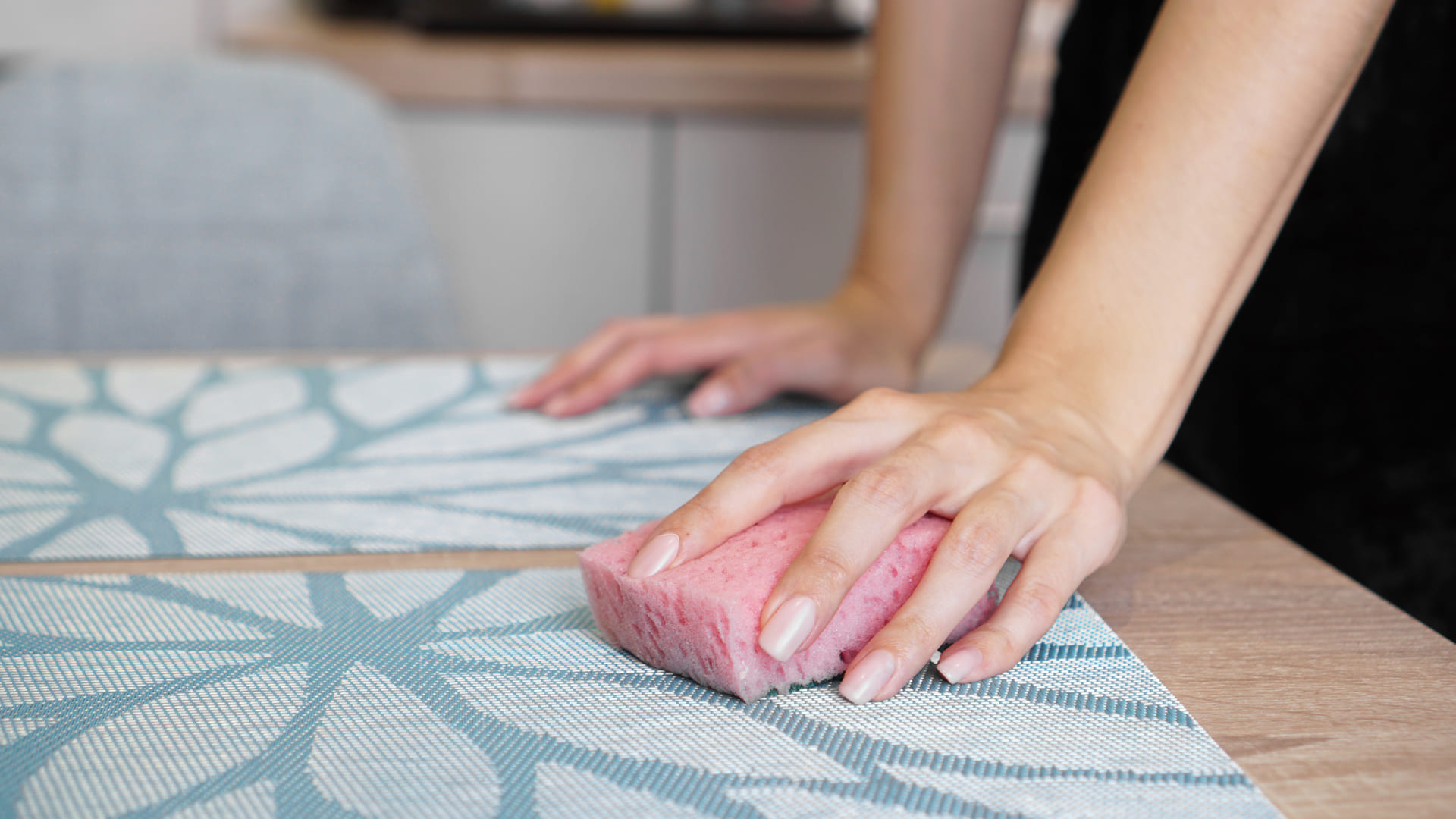
- Start by using a damp microfiber cloth for dusting surfaces
- Avoid dry dusters or feather dusters that often just spread dust around
- Use microfiber traps that holds onto dust particles
- Don’t forget to clean hard-to-reach areas like ceiling fans, baseboards, and under furniture
- Vacuum regularly with a vacuum cleaner equipped with a HEPA filter
HEPA filters capture tiny dust particles that ordinary vacuums might miss. They help to improve air quality.
Additionally, washing and replacing curtains, cushions, and upholstery covers frequently can reduce the amount of dust these fabrics harbor.
For floors, consider mopping after vacuuming to pick up any residual dust.
Seal Entry Points to Minimize Dust
Dust can sneak into your living room through the smallest gaps and cracks. These cracks may occur in the following parts:
- around doors
- windows
- even electrical outlets
To effectively minimize dust infiltration, it’s essential to identify and seal these common entry points.
- Start by inspecting the weather-stripping around your doors and windows
- Replace or reinforce weather-stripping to create a tighter barrier against airborne debris
Additionally, use caulk to fill in cracks and gaps around window frames and baseboards.
- Don’t overlook less obvious spots like gaps around pipes, vents, and electrical outlets.
- Installing foam gaskets behind outlet covers
- For sliding doors, consider adding door sweeps or draft stoppers to block dust from sneaking beneath the door.
Choose the Right Air Purifiers and Filters
When it comes to keeping your living room dust-free, selecting the right air purifiers and filters can make a world of difference.
Not all air purifiers are created equal. Understanding the features that effectively capture dust particles will help you make an informed choice.
Look for air purifiers equipped with HEPA (High-Efficiency Particulate Air) filters. They are designed to trap at least 99.97% of airborne particles as small as 0.3 microns, such as:
- Dust
- Pollen
- Pet dander
- Some bacteria
Additionally, consider models that offer activated carbon filters to reduce odors and volatile organic compounds (VOCs}
Placement is also key. Keep your air purifier in busy areas of your living room often to maximize its effectiveness.
Offer regular maintenance, such as cleaning or replacing filters as recommended by the manufacturer. This ensures your device continues to perform optimally.


